
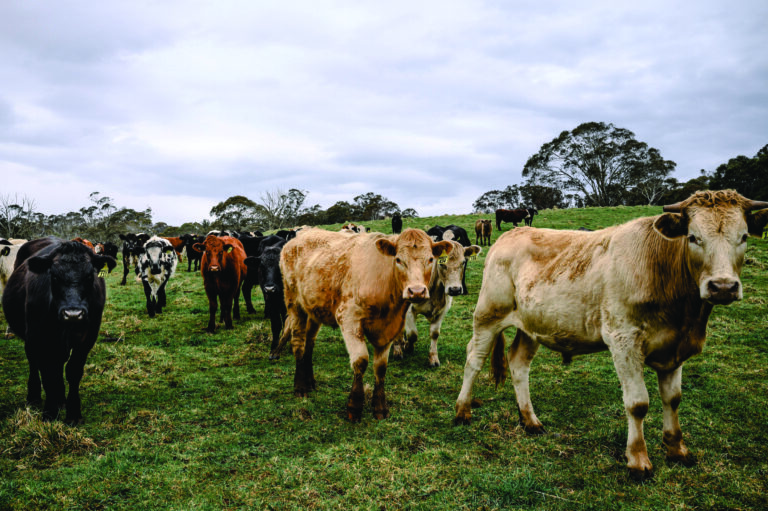
The Australian Agricultural Company, AACo, is Australia’s largest integrated cattle and beef producer.
Managing carbon projects at this scale requires more than technical advice. It requires repeatable workflows, clear data structures, spatial planning tools and the ability to keep internal control over project decisions.
AACo wanted to register Clean Energy Regulator carbon projects while reducing the cost and complexity normally associated with project setup.
The challenge
AACo wanted to maintain control over its Environmental Restoration Fund carbon projects while bringing down the cost of registration across the business.
The team needed software and technical support that could help them assess carbon potential, plan sampling, create strata and prepare regulator-approved sampling plans.
The goal was to avoid a fully outsourced model. AACo wanted the tools to manage more of the process internally, while still meeting project requirements.
The GXLab approach
GXLab, formerly FarmLab, provided AACo with environmental data software to support project planning, sampling design, spatial analysis and carbon calculations.
The platform included:
- stratification tools for carbon project design
- soil organic carbon modelling
- Geographic Information System support
- sampling plan development
- field data collection workflows
- laboratory data integration
- carbon stock calculation tools
- analytics and reporting
This gave AACo a practical way to assess properties for carbon potential, optimise sampling strategies and create approved sampling plans at a lower cost than traditional service-heavy approaches.
GXLab’s in-field app also supported soil samplers and laboratories, with results integrated directly into the client’s farm profile. Additional datasets could be imported into the platform to support analysis and reporting.
The outcome
Using GXLab, AACo reduced the cost of registering carbon projects while retaining more internal control over the process.
The software allowed AACo to combine internal capability with targeted external support. This helped the business meet project objectives without relying on a fully outsourced delivery model.
The result was a more cost-effective pathway for carbon project registration, supported by structured data, spatial planning and repeatable workflows.
Key results
- Reduced carbon project registration costs
- Greater internal control over project planning
- Improved ability to assess farms for carbon potential
- More efficient sampling design and stratification
- Integrated field, laboratory and project data
- Support for regulator-approved carbon stock calculations